
Combine great literature and poetry frameworks to inspire student writing
When students struggle to find their words using traditional writing prompts, poetry allows them to be successful writers without being limited to a formal structure or substantial word count.
Using a formulaic structure, such as a Haiku or Cinquain, can make writing less daunting, helping to level the writing field for our most hesitant writers and second language learners.
Use the following children's books to model great poetry writing and inspire your students. Each idea includes templates that you can assign immediately to support student work.
Color poems to build vocabulary and share emotions
Color is a powerful way of expressing and relating to our emotions and the world around us. For example, red can mean many things, such as a signal to stop, a phrase to denote a heightened state of anger or a symbol of love using red roses.
Share the color poems in Mary O'Neill's poetry collection Hailstones and Halibut Bones: Adventure in Poetry and Color. It can help give students ideas of imagery, vocabulary, and uses of color in their everyday lives.
Then, ask students to write about their favorite color using one of the color templates. Browse the Color Poetry folder in the Curriculum Activities library to find a variety of templates like this one for the color Green.
Haiku poems to celebrate seasons and syllabic verse
The Japanese poetry format, Haiku, is a great choice for every age of students! Several incredible books have been written to inspire the love of nature and words in us, including the books:
- Guyku: A Year of Haiku for Boys by Bob Raczka
- Dogku by Andrew Clements
- Hi, Koo. A Year of Seasons by Jon J. Muth
The short length makes the haiku format manageable for younger students and, yet, provides older, more experienced writers an opportunity to challenge themselves through word choice and creative imagery.
Assign a general Haiku template or select one of the season-inspired designed templates for Winter, Spring, Summer, or Fall.
Bio poems to promote identity and share diversity
The Day You Begin by Jacqueline Woodson tells the story of children who are different from one another and is an excellent way to encourage and inspire students to create a Bio poem that represents their true, unique selves.
The Bio poem templates at the Primary and Elementary levels push students to write about more than just likes and dislikes so you can get to know them on a deeper level. Students can also use the Bio Poem Simile template to practice integrating similes into writing about themselves. For example, "My heart is like..."
Five senses poems to connect to science and the senses
Exposing students to activities where they tap into the five senses (sight, sound, taste, touch, and smell) is a powerful way for writers to embed vivid imagery and vocabulary in their writing.
Introduce students to descriptive vocabulary and perspectives with My Five Senses by Aliki. This fun and easy-to-read book is a great way to show students how choosing the right words can help readers better grasp topics and experiences.
Then, assign students the 5 Senses Poem template to create and share their sensory-rich writing.
Patterns and parts of speech poems to support fluency and grammar
Jack Prelutsky's collection of poems titled "A Pizza the Size of the Sun" includes a playful take on parts of speech so readers can see how impactful adjectives and verbs can be in the context of a fun poem. It can also help make grammar practice fun.
In the Curriculum Activities library, you can find several templates that ask students to integrate parts of speech, including a Diamante template and an I am poem template.
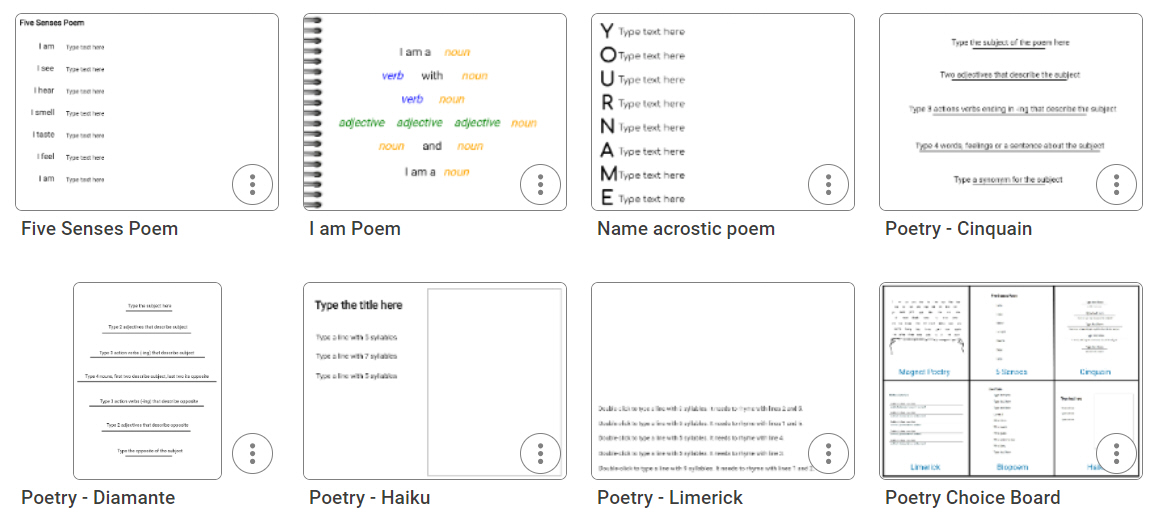
Students can also practice their fluency and writing skills through familiar songs using the Twinkle Twinkle Cloze template and the When I was One poetry template based on A.A. Milne's poem in "Now We are Six."
Sharing and celebrating work
Every project your students create saves automatically. To share your poems with parents, simply copy and paste the URL or share via Family Sharing within Wixie.
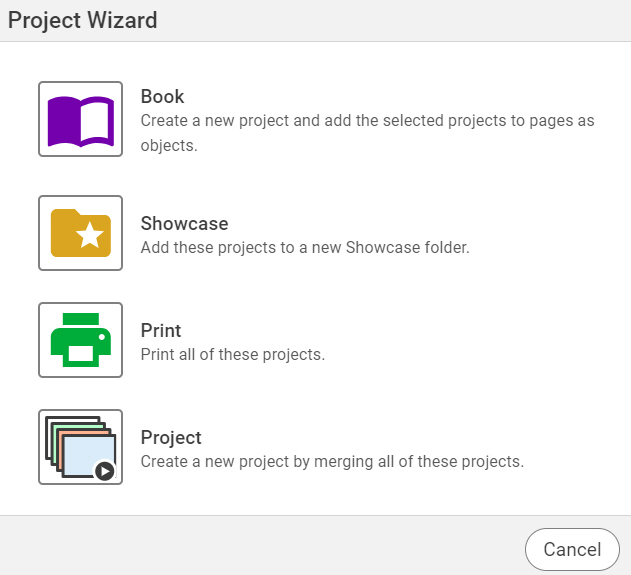
You can also use the Project Wizard to combine and print all the pages into a class book or to share online, export as a PDF, or even as a video students can watch on their devices.
Whether you choose to have your students follow a pattern, adhere to a formula, or use a cloze approach, these poems and resources will help every one of your students become the successful writers they deserve to be!
 Effective Integration
 Instructional Design
 Learning Strategies
 Literacy
 Month-by-Month
 Product Ideas
 STEM/STEAM
 Share and Showcase
 Updates
 User Management