

Virtual Museum
Grades: 3-12
Virtual Museum
Students create an online museum, displaying artifacts and their stories to engage others in the heritage of their community.
Engage
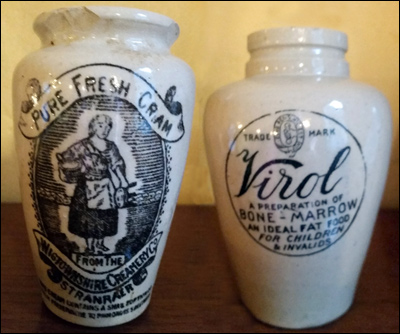
Many students have been to a museum, but not as many to a virtual one. Share examples of online museums with your students, such as Out of the Box and Into the Oven or digital extensions of existing brick-and-mortar structures like the Anne Frank House.
Ask students to share what they already know about local celebrities and important historical events. Record the people, events, and information students share in this discussion. Don’t organize by timeline; instead, work together to group similar items together.
Create
Part of this process is learning how to be a historical detective, so encourage students to include local experts and community institutions.
As students begin collecting factual information, images, and interviews, they should begin to determine the story they want to tell.
- Who are the central characters?
- What is the conflict or problem?
A great museum isn’t just a collection of artifacts. Compelling collections include stories to place the objects in their historical context. Students should create a storyboard that outlines the progression of artifacts and supporting media people will experience in their museum.
As students clarify their storyboard they should continue to research and collect facts, stories, and media artifacts, such as:
- Photographs of artifacts, people, or locations
- Audio recordings of interviews
- Musical performances connected to a time, place, or person
Students should write informational text, narration, and captions for each "exhibit" in their online museum. As they work to build their collections, they can organize each stop on the storyboard with a single artifact or story.
Share
By definition, the online museum can be shared with the world by distributing its URL. Although these virtual exhibitions exist online, you may want to invite parents and community members to a celebration to showcase the work students have done.
If students create virtual museums related to local history, invite your city council person and members of your local historical society. Remember to have a sufficient number of devices on hand so students can act as docents while sharing their online museums.
Assessment
The virtual museum is a great “writing across the curriculum” performance task, where students engage much more deeply with content as they read and write outside of language arts class. This allows you to evaluate students’ content knowledge about a time you are studying in a fun way.
The research process helps them build important literacy skills in Social Studies and Science as they practice finding and evaluating research materials and reading data and primary source materials. Their use of graphic organizers and charts can help you “see” their understanding. Their writing gives them an opportunity to practice sharing scientific and historical information through a combination of informative and narrative writing.
Resources
Janet Hoskins. Biographical Objects: How Things Tell the Stories of Peoples’ Lives. ISBN: 0415920124
Dawn Raffel. The Secret Life of Objects. ISBN: 193754303X