






Character Coat of Arms
Grades: 3-6
Character Coat of Arms
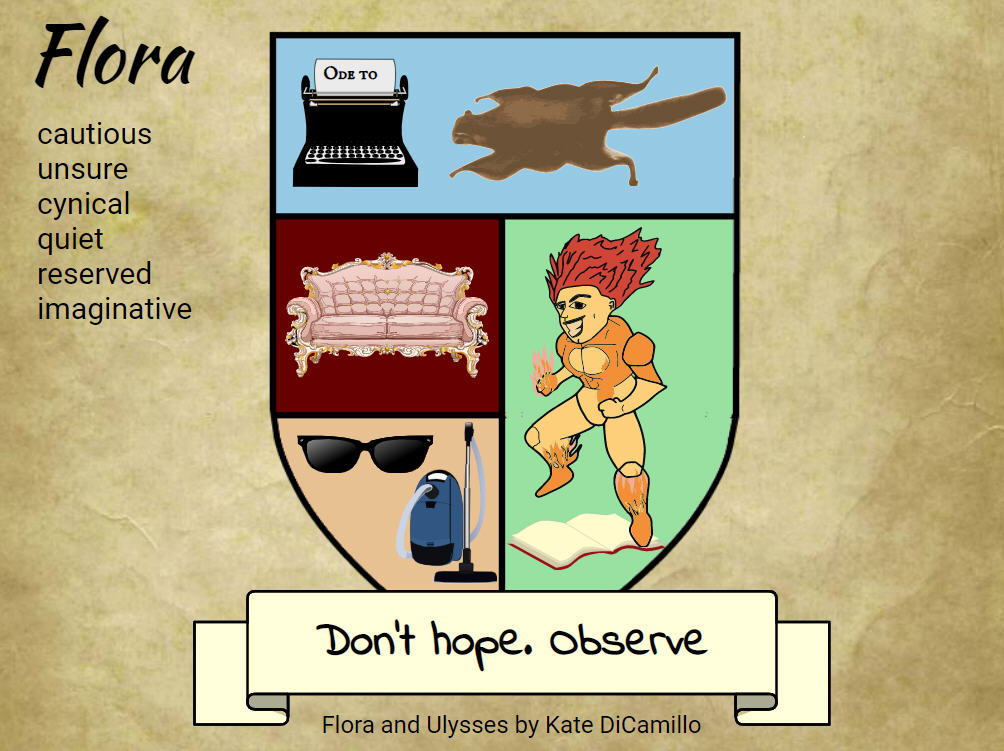
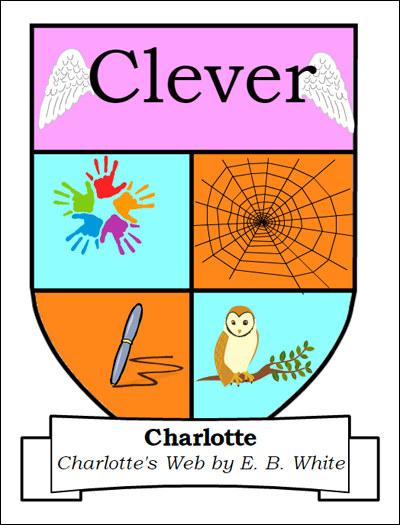
Have students create a coat of arms to represent their personal identity and values or design one to represent the character traits of the protagonist in a book they are reading.
Engage
Begin by talking to your class about symbols they find in the world around them. For example:
- the bald eagle or Liberty Bell represent the United States
- the colors of a yield or stop sign signify levels of caution
- the symbols on cars represent the company that makes them
Show students a coat of arms and talk about how they represnted a specific family in medieval times. Look at the symbols on a specific coat of arms and discuss what the symbols on it might mean.

Create
Let students choose the character they want to represent with their coat of arms, or assign one to each student.
Assign a cluster organizer to help students identify and record the traits they want to symbolize on their coat of arms.
As they identify words that describe traits and values, have students consider the meaning of different colors and symbols, and choose which ones they will use to symbolize the identity they want to convey.
Assign the Coat of Arms template in Wixie. Have students use the paint tools to fill each area with appropriate colors. Students can use the Image button and Text options to add symbols and a motto.
Have students write a paragraph, or record an explation, of their use of colors and symbols, as well as why they chose a particular motto for their character.
Share
Print each student's coat of arms and have them present their design to the class, explaining their choice of colors, symbols, and motto.
Print the coat of arms and display in your library or media center to advertise books containing these characters. Include URLs to the project, or create QR codes, so that interested students can hear an explanation.
Resources
Heraldry and the Parts of a Coat of Arms
Common Core Standards for English Language Arts
CCSS.ELA-LITERACY.RL.3.4
Describe in depth a character, setting, or event in a story or drama, drawing on specific details in the text (e.g., a character's thoughts, words, or actions).