
Use Wixie to build writing skills in elementary
In the elementary classroom, it is important to engage students in reading both literature and informational text, teach them how to organize both information and thinking and provide engaging practice in narrative, informational, and argument writing.
Use these ideas to have students both organize and showcase their writing with Wixie.
Organize writing with the Mind Map tool
Wixie makes a great digital canvas for student writing, and can also help students organize their ideas before and thinking during the writing process.
Students can use Mind Map templates like the cluster or timeline to record information and make sense of new ideas.
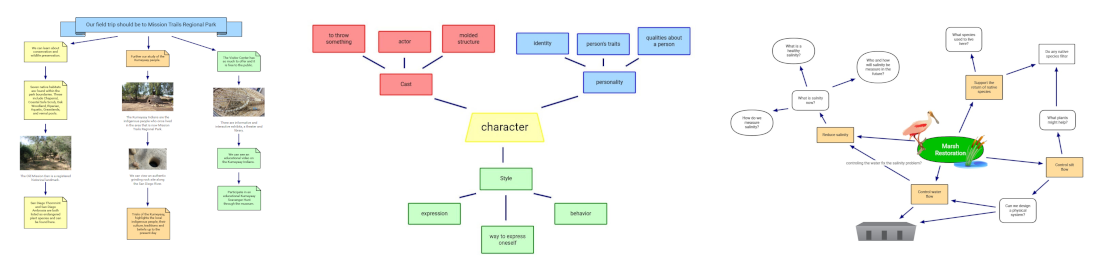
Students can organize their writing using Mind Maps like the:
Narrative writing
Getting students to write their own stories generally means encouraging them to find their voice and to learn how to give voice to the characters in their stories. Support emerging writers using templates, like sentence strips, to share observations and tell stories through simple sentences and supporting illustrations.
As students get older and more sophisticated with their writing, have them write in a range of narrative forms, such as fables and fairy tales.
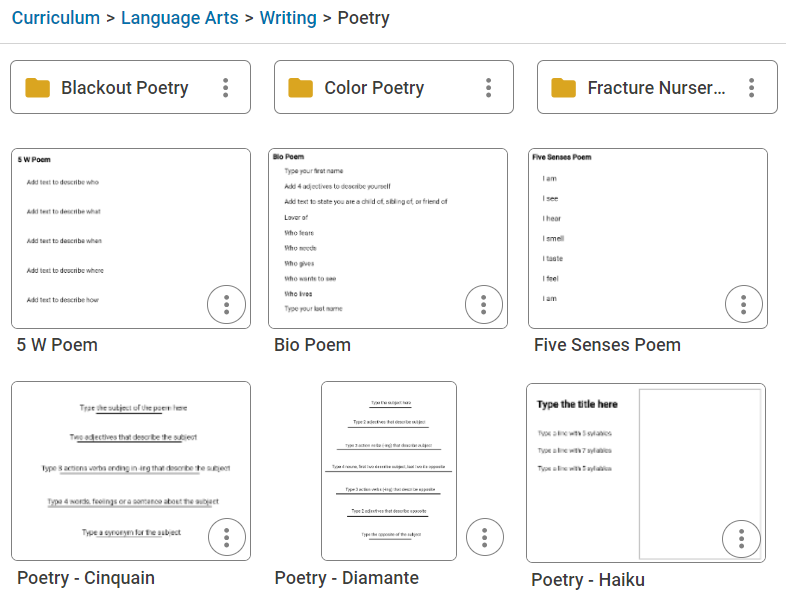
Wixie also includes a range of poetry templates to support students as they write haiku, cinquain, limericks, and more.
You can pair writing with reading, as well as connect students more deeply to the texts they are reading, by asking them to create adaptations of the books you are reading. For example, read a story like Judi Barrett’s Things That are Most in the World and ask students to create their own pages that provide readers with context clues about the meaning of superlatives through text and pictures. If you choose a title like Edith Baer’s This is the Way We Go to School, it is easy to change the project into writing how-to informational text.
Informational writing
State standards include a renewed focus on informational text, and the writing standards also have a section dedicated to research skills for building and presenting knowledge. Students can create their own informational texts and eBooks using the various tools in Wixie.
The text tools make it easy to adjust text formatting for informational text features like headings and labels. Students can also use the paint tool and image library to develop illustrations to aid their comprehension.
Research reports don't have to be the only expository writing students create. There are numerous ways to modify the assignments students produce, assisting them in transitioning from copying and pasting to engaging in high-level thinking projects.
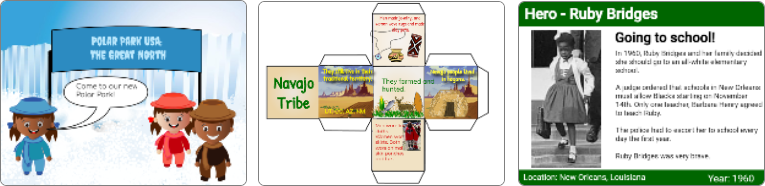
For example, students can create more exciting information products like:
Interviews are also a fun way to get students away from a simple regurgitation of facts. During an interview with an animal, artifact, or person from history, students must empathize with the subject and share information from a first-person perspective.
Opinion writing
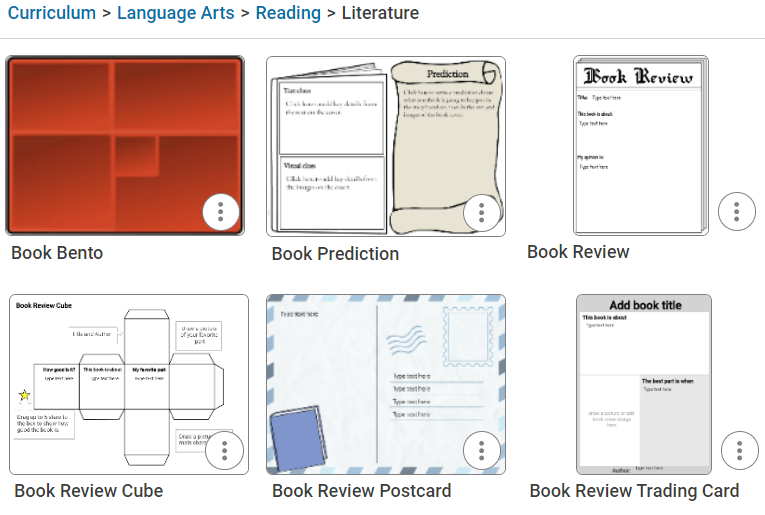
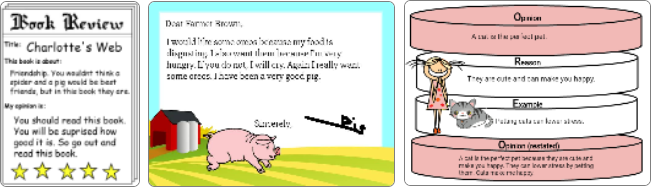
In grades 2 and 3, students are not ready for full-fledged argument writing, but are beginning to connect opinion and reasons. You can find several different book review templates in the Curriculum Activities library to assign or customize.
You can also combine literature and letter writing to offer context for students' opinion writing. For example, you could ask students to write letters to Farmer Brown from a new animal after reading Doreen Cronin’s Click, Clack, Moo. You could also read Marc Brown’s Arthur’s Pet Business and ask students to write a letter to persuade their parents to get a family pet.
A more sophisticated project might be to persuade others to read a book through a movie-style book trailer. Students can also develop multi-page presentations to persuade others, such as this student’s argument about whether students should be allowed to have cell phones.
No matter which type of writing you have students do, Wixie provides a canvas for their ideas that helps them share their knowledge and understanding in creative ways that support and encourage their growing skills as writers.
 Effective Integration
 Instructional Design
 Learning Strategies
 Literacy
 Month-by-Month
 Product Ideas
 STEM/STEAM
 Share and Showcase
 Updates
 User Management